

Quartz vs Quartzite vs Porcelain Countertops: Which Is Right for You?
Three popular countertop materials compared by durability, maintenance, heat and stain resistance, and look. What to know before you choose.
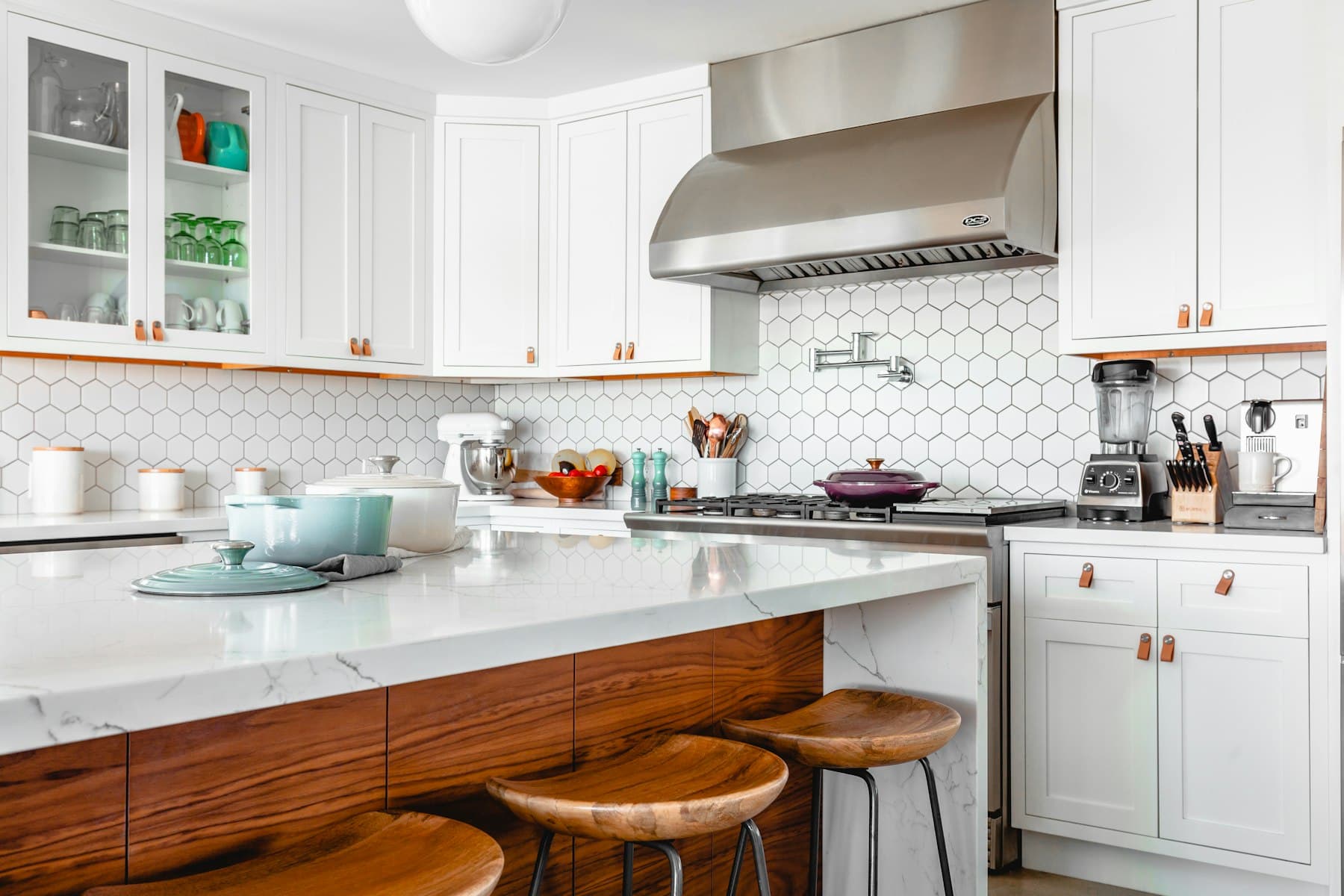
In short: quartz is engineered and low maintenance, quartzite is natural stone with a dramatic look, and porcelain is very hard and heat resistant. None is best for everyone. The right choice depends on how you cook, how much upkeep you will accept, and the look you want.
Quartz
Quartz countertops are made from ground quartz bound with resin. They come in a wide range of consistent colors and patterns, do not need sealing and resist stains well.
- Pros: low maintenance, consistent pattern, wide color range, non-porous
- Cons: the resin can be damaged by high heat, so use trivets; seams can be visible on large runs
- Good for: busy family kitchens where easy care matters most
Quartzite
Quartzite is natural stone, not to be confused with engineered quartz. It is hard, handles heat well and has the veining and movement that many people want from natural stone.
- Pros: natural look, strong, good heat resistance
- Cons: usually needs sealing, and the surface can vary slab to slab; some stones sold as quartzite behave more like softer stone, so ask for a sample you can test
- Good for: people who want a natural stone look and will do light upkeep
Porcelain
Large-format porcelain slabs are very hard and heat, scratch and UV resistant. They are thin and need skilled fabrication, especially at edges and cutouts.
- Pros: very heat and scratch resistant, non-porous, suitable for outdoor kitchens
- Cons: edges can chip if struck hard, and fabrication needs experience; patterns can look repeated in some lines
- Good for: people who cook hot and heavy and want a hard-wearing surface
How to choose
- Decide how much maintenance you will accept, since sealing is a recurring chore.
- Think about heat, cutting and spills in how you actually cook.
- Look at full slabs, not only small samples, especially for natural stone.
- Ask the fabricator about edge options, seams and cutouts for each material.
- Coordinate with your sink and cooktop choices before slabs are cut.
Grizzly Strong Construction (CSLB #1088204) coordinates countertop templating and installation as part of your kitchen remodel, so cabinets, counters and plumbing line up. See our kitchen remodeling page for how that works.
Frequently asked questions
Is quartz the same as quartzite?
No. Quartz is an engineered product made with resin. Quartzite is a natural stone. They look different and care for them differently.
Which countertop is best for a busy family kitchen?
Quartz is a common choice because it is non-porous and does not need sealing. Porcelain is also very durable and heat resistant.
Do quartz countertops stain?
Quartz resists most stains because it is non-porous, but harsh chemicals and high heat can damage it. Follow the manufacturer’s care guidance.
Does quartzite need sealing?
Usually yes. Ask your fabricator how often to reseal for the specific stone you choose.
Keep reading
How Long Does a Kitchen Remodel Take in Orange County?
Planning, permits, cabinet lead time and construction all add up. A realistic look at the phases of a kitchen remodel and what makes them run long.
Read article →Kitchen Remodel ROI in Orange County: What Pays Back and What Does Not
Not every kitchen upgrade raises resale value equally. How to think about return on investment, and where homeowners often overspend.
Read article →Remodeling a 1970s–1990s Tract Home Kitchen in Orange County
Closed-off layouts, soffits, old wiring and plumbing: what to expect, and what to check, when you remodel a kitchen in an older Orange County tract home.
Read article →