

LVP vs Engineered Hardwood for Orange County Homes
How luxury vinyl plank and engineered hardwood compare for moisture, wear, feel and resale, and where each works best in a home.
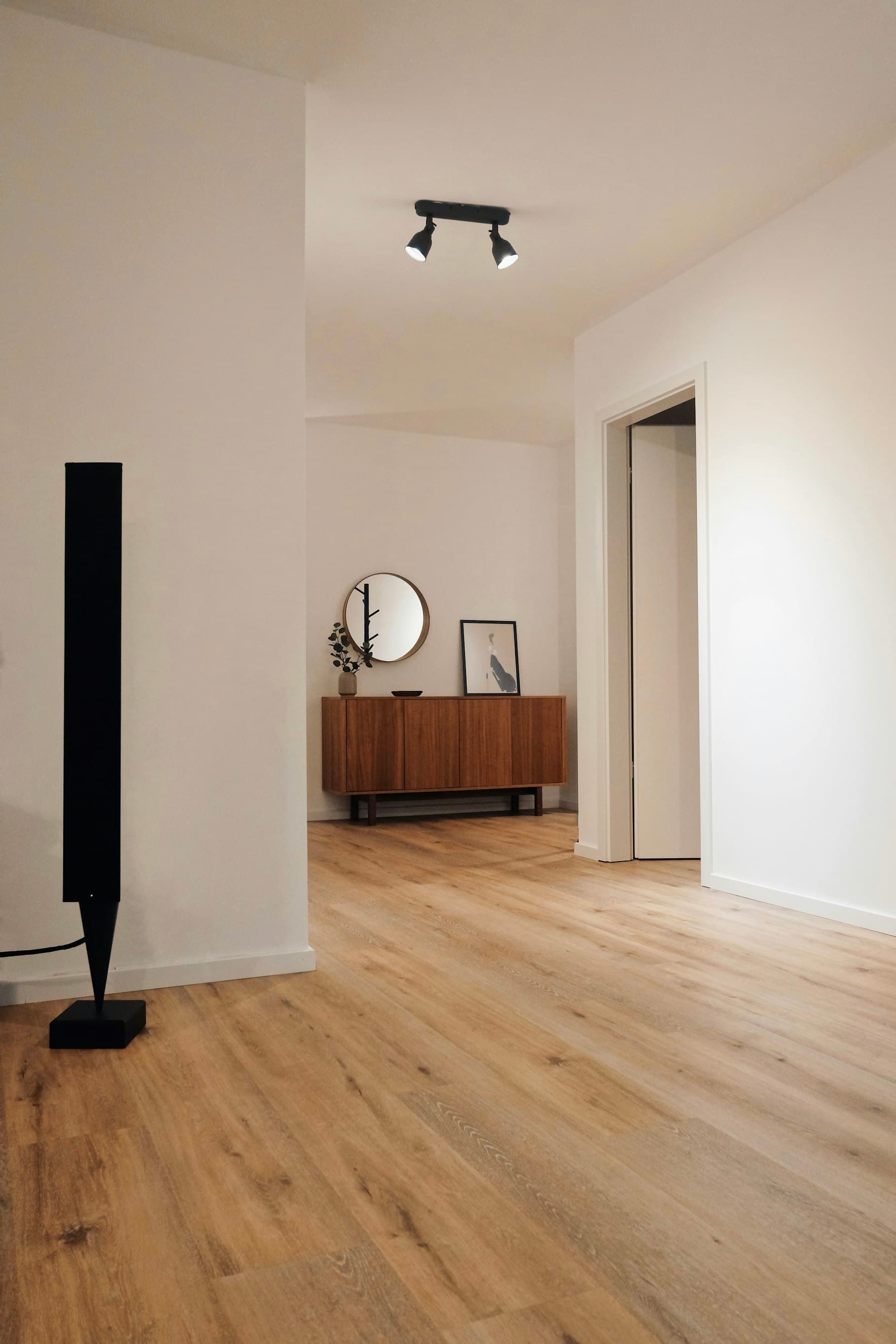
In short: luxury vinyl plank (LVP) is waterproof or water-resistant, tough and easy to care for, which suits kitchens, baths and busy households. Engineered hardwood has a real wood surface and the look and feel many people want in living areas. Both can work well; the right one depends on the room.
How they compare
- Moisture: LVP handles spills and humidity well; engineered hardwood tolerates moisture better than solid wood but is not meant for wet areas
- Wear: LVP resists scratches and dents well; engineered hardwood can scratch and dent, and a thick wear layer can be refinished
- Feel and sound: wood feels and sounds more natural; LVP can feel firmer or sound hollow unless it has an underlayment
- Look: both come in many colors and widths; wood has real grain and LVP imitates it
- Repair and refinishing: a damaged LVP plank can be replaced; engineered wood can be refinished a limited number of times
Where each works best
- Kitchens, baths and laundry rooms: LVP or tile, because of moisture.
- Living and dining rooms and bedrooms: either, depending on whether you want real wood.
- Ground-floor slabs: check moisture first; LVP is often easier, and wood needs a proper barrier.
- Homes with pets or children: LVP resists scratches and spills well.
- Condos and apartments: check the HOA’s sound-insulation rules for hard flooring.
What decides how well either one lasts
- A flat, dry, sound subfloor
- Moisture testing on slabs before installation
- Letting wood flooring acclimate to the home before it goes in
- Planning transitions and thresholds between rooms
- Following the manufacturer’s instructions, which often affect the warranty
Grizzly Strong Construction (CSLB #1088204) prepares subfloors and installs LVP, engineered hardwood and tile. See our flooring and tile page, or request a free estimate.
Frequently asked questions
Is LVP waterproof?
Many LVP products are waterproof or water-resistant, but the subfloor and seams still matter. Check the specific product and follow the maker’s instructions.
Can engineered hardwood go in a kitchen?
It can, with care, but spills have to be wiped up quickly. LVP or tile is a safer choice for wet areas.
Can I put new flooring over my old floor?
Sometimes, if the existing floor is flat, sound and dry. We check at the site visit.
Do condos have rules on hard flooring?
Often yes, including sound-insulation requirements. Check your HOA rules before you order.
Keep reading
Title 24 Energy Rules for Replacement Windows in California
California’s energy code applies when you replace windows. How the rules work, what the label on a window tells you and what to ask before you order.
Read article →Vinyl vs Fiberglass vs Aluminum Windows for Orange County Homes
How the three common window frame materials compare for insulation, upkeep, strength and looks, and which fits which kind of home.
Read article →
Choosing Exterior Paint for Coastal Orange County Homes
Sun, salt air and moisture are hard on exterior paint. What to look for in a coating, why prep matters most, and how to choose a color and sheen.
Read article →