

Aging-in-Place Bathroom Upgrades That Make Life Easier
Small changes in the bathroom can make staying in your home safer and more comfortable for years. What to consider, and what to build in now.
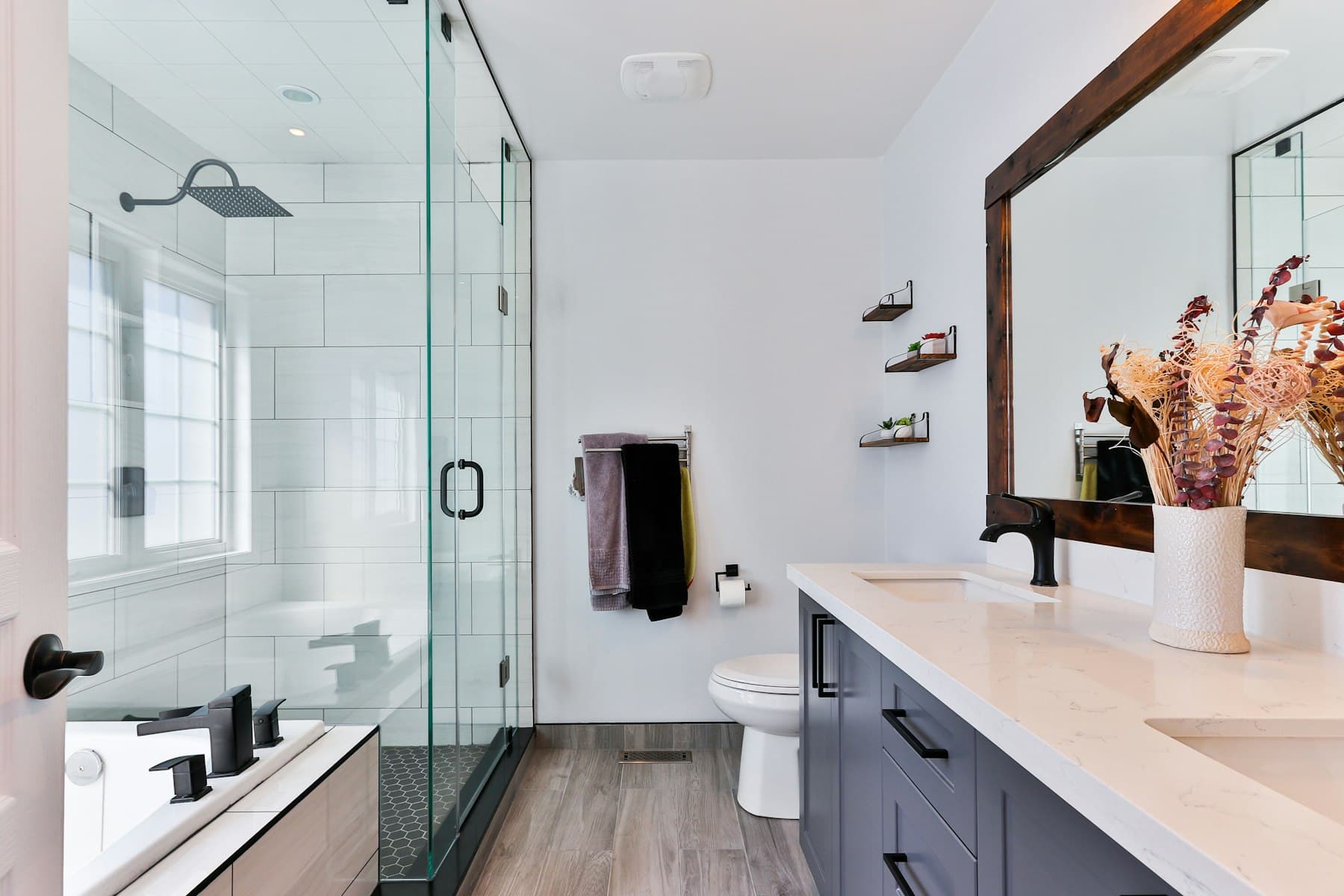
In short: the bathroom is where most falls at home happen, so it is the best place to start making a home work for the long run. Good aging-in-place design does not have to look clinical. Many of the best upgrades, such as a low-threshold shower and good lighting, simply make the room nicer for everyone.
Upgrades that matter most
- A low-threshold or curbless shower, so there is no high step to climb over.
- Blocking in the walls for grab bars, even if you do not install the bars yet. Adding it during a remodel costs little; adding it later means opening the wall.
- A comfort-height toilet that is easier to sit down on and stand up from.
- Slip-resistant floors, especially in the shower and at the entry.
- A bench or fold-down seat in the shower, and a handheld sprayer.
- Bright, even lighting with switches at the door and a night light on the way to the toilet.
- Lever handles on faucets and doors, which are easier for arthritic hands.
Make the room easy to move through
A wider doorway, often about 32 inches clear, makes walking aids and wheelchairs easier. Leave open floor space for turning if you can. Where a wall cannot move, a pocket or outward-opening door can help.
Plan for later, build now
- Add wall blocking everywhere a grab bar may go: beside the toilet, in the shower and at the tub
- Choose a shower floor and layout that can take a bench later
- Run electrical for a heated floor or a second light even if you do not use it today
- Pick finishes that are easy to clean and that do not need a lot of upkeep
Work with the person who uses it
The best design depends on how the person moves and what they find hard. If a physician or occupational therapist has advice, share it with your contractor before the plan is final.
Grizzly Strong Construction (CSLB #1088204) builds low-threshold showers, installs blocking and updates bathrooms for comfort and safety. See our tub-to-shower conversion page or request a free estimate.
Frequently asked questions
Do I need grab bars if I am healthy?
Not necessarily, but adding blocking during a remodel is cheap insurance. The bars can be added later without opening the wall.
Is a curbless shower required for aging in place?
No. A low-threshold shower can also work well. Curbless is easiest to enter, especially with a walker or chair.
How wide should a bathroom door be?
About 32 inches clear is a common accessibility guideline. Check what fits your home and who uses the room.
Keep reading
Small Bathroom Layouts That Work: 5×8 and 5×9 Floor Plans
Most small bathrooms in Orange County homes are about 5×8 or 5×9 feet. These layouts and clearance rules help you get the most from them.
Read article →Curbless Showers: How They Work and Why Waterproofing Matters
A curbless shower has no step in, which makes it easy to use and good-looking. It also needs careful planning of the floor, slope and waterproofing.
Read article →Condo Bathroom Remodels: HOA Approval and What to Know
Remodeling a bathroom in a condo or townhome usually needs HOA approval first. What associations ask for, and how to avoid delays and neighbor problems.
Read article →